
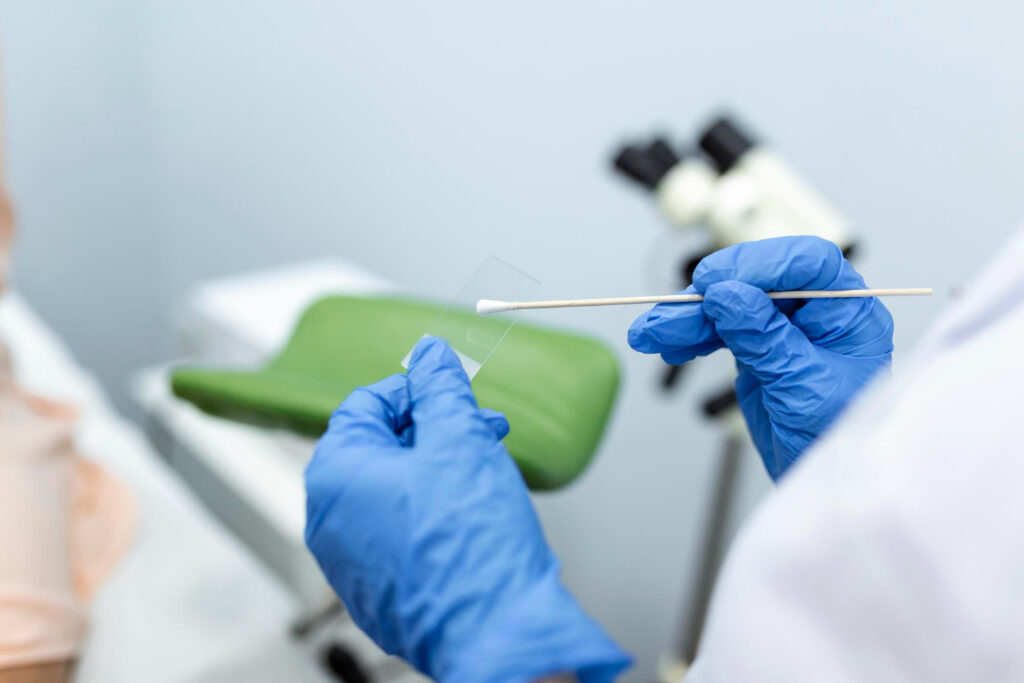
What Is Cervical Cancer Screening?
Cervical cancer screening checks for early signs of cancer in the cervix. The cervix is the lower part of the uterus, which connects to the vagina. Early detection is important because it helps prevent serious health problems. For many women, a Pap smear is the main test used for cervical cancer screening. In fact, regular screening is a key part of women’s health and preventive care. According to the CDC, screening has greatly reduced cervical cancer rates in many countries.
What Is a Pap Smear and How Does It Work?
A Pap smear, also called a Pap test, is a simple way to check for abnormal cells in the cervix. During the test, a healthcare provider gently collects a small sample of cells from the cervix. Next, these cells are sent to a lab to look for changes that could lead to cancer. If abnormal cells are found early, treatment can often stop cancer from developing. Because the test is quick and safe, it is widely used around the world.
Who Should Get a Pap Smear and How Often?
Most women should start getting Pap smears at age 21. After that, the schedule depends on age and health history. For example, women ages 21 to 29 usually need a Pap smear every three years. Women ages 30 to 65 may get a Pap smear every three years, or a Pap smear plus an HPV test every five years. However, some women may need more frequent tests if they have certain risk factors. Always talk with your doctor about the best schedule for you.
Key Benefits of Regular Pap Smears
Regular Pap smears offer many important benefits. For instance, they help find abnormal cells before cancer starts. Early treatment can save lives. In addition, regular screening can:
Because of these benefits, experts like the World Health Organization recommend regular screening for women.
Common Myths and Facts About Pap Smears
Many myths about Pap smears can cause worry. However, knowing the facts can help ease concerns. Here are some common myths and the truth behind them:
What to Expect During a Pap Smear
Knowing what happens during a Pap smear can help you feel more at ease. First, you will lie on an exam table. Next, the provider gently inserts a small tool called a speculum into the vagina. This lets them see the cervix. Then, they use a soft brush or spatula to collect a few cells. The whole process usually takes less than five minutes. While some women feel mild pressure, most do not find it painful. After the test, you can return to normal activities right away.
How to Prepare for a Pap Smear
Preparing for a Pap smear is easy. Still, a few simple steps can help ensure the best results. For example:
Because preparation is simple, most women can fit a Pap smear into their routine checkups.
Prevention Tips and Healthy Lifestyle Guidance
Besides regular Pap smears, healthy habits can lower your risk of cervical cancer. For instance, you can:
Because prevention is so important, following these steps can help protect your health. For more information, visit trusted sources like the CDC or WHO.
Conclusion
If you have questions about cervical cancer screening or Pap smears, LIMS ABS Hospital is here to help. Book a consultation today to discuss your screening needs and support your health.