
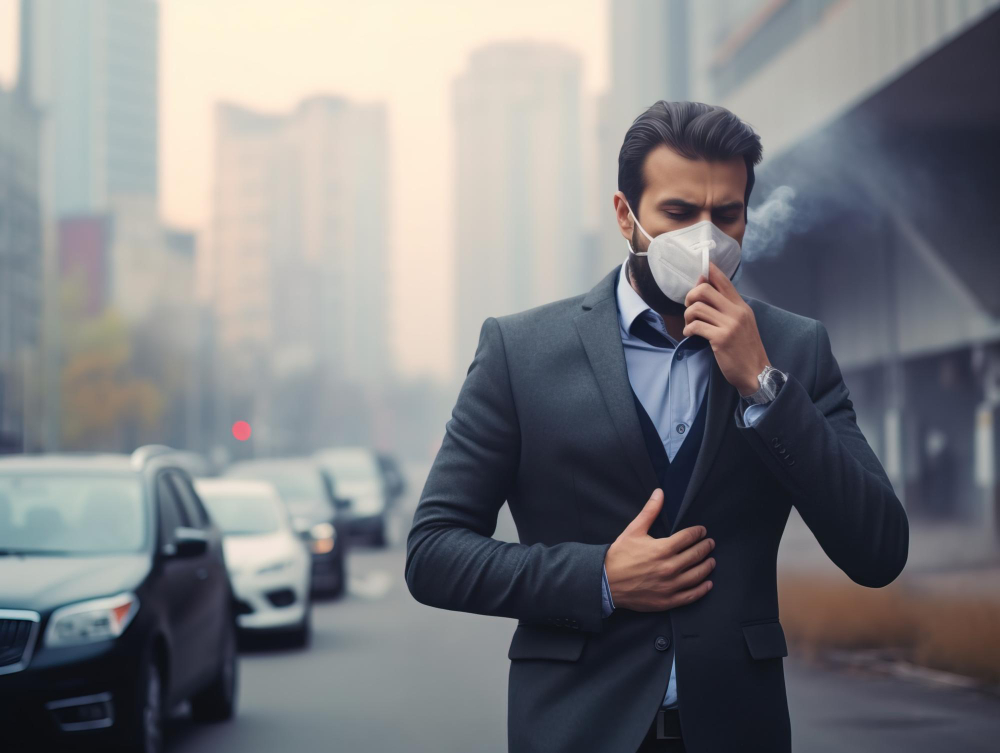
What Is Air Pollution?
Air pollution is the presence of harmful substances in the air. These can include dust, smoke, chemicals, and tiny particles. Often, these pollutants come from cars, factories, and wildfires. During certain seasons, air pollution levels can rise. For example, winter smog or summer haze can make the air unhealthy. Because of this, air pollution and your lungs are closely linked. The World Health Organization (WHO) warns that air pollution is a major health risk worldwide.
How Air Pollution Affects Your Lungs
When you breathe in polluted air, tiny particles can enter your lungs. As a result, your lungs may become irritated or inflamed. Over time, this can make it harder to breathe. Some pollutants can even reach deep into your lungs. In some cases, these particles may cause long-term damage. According to the CDC, air pollution can trigger asthma, bronchitis, and other lung diseases. Therefore, protecting your lungs from air pollution is very important.
Common Symptoms of Lung Problems from Air Pollution
Sometimes, air pollution can cause mild symptoms. However, it can also lead to more serious problems. Watch for these signs if you are concerned about air pollution and lung health:
If you notice these symptoms, especially during high pollution days, you may need to take extra care.
Who Is Most at Risk?
Some people are more likely to have lung problems from air pollution. For instance, children and older adults are at higher risk. People with asthma, chronic lung disease, or heart problems should be extra careful. Pregnant women and outdoor workers may also be more affected. In addition, anyone living in areas with high seasonal air pollution effects should watch for symptoms. Knowing your risk can help you take steps to protect your lungs.
Diagnosing Lung Issues Related to Air Pollution
Doctors use several methods to check for lung problems caused by air pollution. First, they may ask about your symptoms and medical history. Next, they might listen to your lungs with a stethoscope. Sometimes, they use breathing tests to measure how well your lungs work. In some cases, a chest X-ray or other scans may be needed. Early diagnosis is important, so talk to your doctor if you have ongoing symptoms.
Treatment Options for Air Pollution-Related Lung Problems
Treatment depends on your symptoms and overall health. For mild symptoms, resting indoors and drinking fluids can help. Doctors may also suggest inhalers or medicines to open your airways. In severe cases, you might need oxygen or other treatments. It is important to follow your doctor’s advice. With the right care, many people recover well from air pollution-related lung problems.
Practical Tips to Protect Your Lungs This Season
There are many ways to protect lungs from air pollution, especially during high-risk seasons. Try these lung protection tips:
By following these steps, you can lower your risk of lung problems.
Prevention Strategies for Healthy Lungs
Preventing lung problems starts with healthy habits. For example, do not smoke and avoid secondhand smoke. Eat a balanced diet rich in fruits and vegetables. Drink plenty of water to keep your airways moist. In addition, get regular exercise indoors when air quality is poor. Stay up to date with vaccines, such as the flu shot, to prevent infections. Finally, support clean air efforts in your community. These prevention strategies can help keep your lungs strong all year round.