
What Is Dengue Fever?
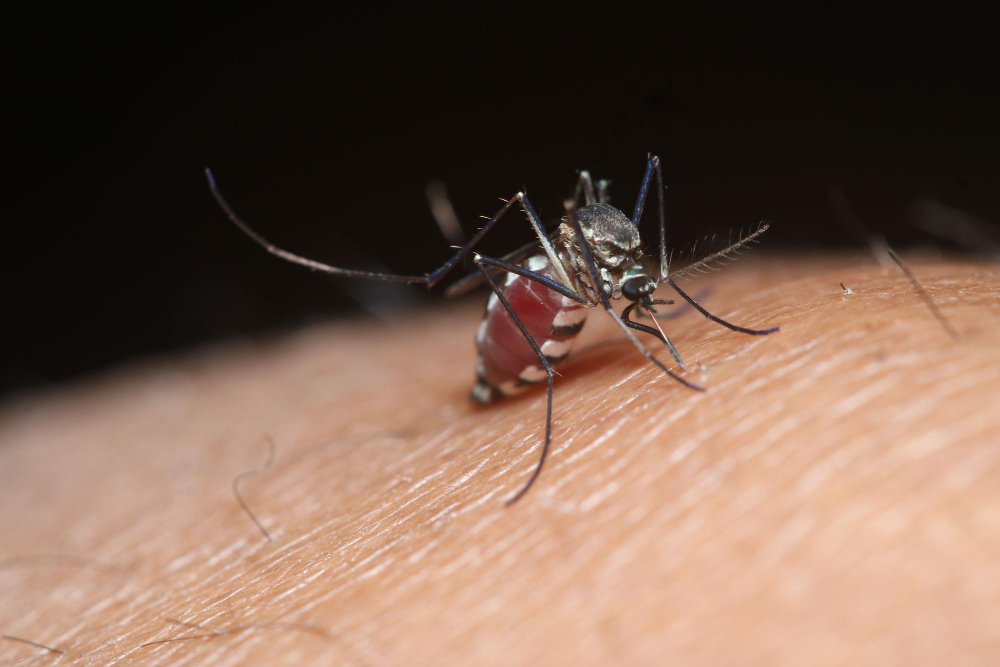
Dengue fever is a viral illness spread by mosquitoes. The main cause is the dengue virus, which is carried by the Aedes mosquito. When this mosquito bites a person, it can pass the virus into the blood. As a result, dengue outbreaks often happen in warm, rainy areas. According to the World Health Organization (WHO), millions of people get dengue each year, especially in tropical countries.
What Is Viral Fever?
Viral fever is a term for fever caused by any virus. Many viruses can lead to this, such as the flu, cold viruses, or other seasonal viruses. Unlike dengue, viral fever can spread in many ways. For example, you might catch it from a cough, sneeze, or touching surfaces. Most viral fevers are mild, but some can be serious. The Centers for Disease Control and Prevention (CDC) states that viral fevers are common, especially in children.
Key Symptoms: Dengue vs. Viral Fever
Sometimes, it is hard to tell dengue from other viral fevers. However, some symptoms can help you notice the difference. Below are common signs for each:
Still, symptoms can overlap. Therefore, knowing warning signs is important.
Warning Signs That Need Urgent Medical Evaluation
Not all fevers are dangerous. Yet, some signs mean you should see a doctor right away. For instance, seek help if you notice:
In addition, babies, elderly people, and those with weak immune systems should see a doctor sooner.
How Doctors Diagnose Dengue and Viral Fevers
Doctors use several ways to find out the cause of a fever. First, they ask about your symptoms and travel history. Next, they check your body for signs like rash or bleeding. If dengue is suspected, blood tests are often needed. These tests can look for the dengue virus or check for low platelets, which is common in dengue. For other viral fevers, doctors may do tests for flu or other viruses. Sometimes, no test is needed if the illness is mild and symptoms are clear. However, if symptoms are severe, more tests may be done to rule out other causes.
Treatment Options for Dengue and Viral Fever
There is no specific cure for dengue or most viral fevers. However, treatment can help you feel better and prevent problems. For both conditions, doctors often suggest:
For dengue, hospital care may be needed if the illness is severe. Doctors may give fluids through a vein and monitor for bleeding. In contrast, most viral fevers get better on their own in a few days. Antibiotics do not work for viral infections.
Tips for Prevention and When to Seek Medical Help
Preventing dengue and viral fever is possible with simple steps. For example, you can:
If you have a fever that lasts more than two days, or if you see any warning signs, visit a doctor. Early care can prevent serious problems. Always follow your doctor’s advice for treatment and follow-up.
Conclusion
If you or your loved ones have a fever or warning signs, do not wait. Book a consultation at LIMS ABS Hospital for expert care and peace of mind.